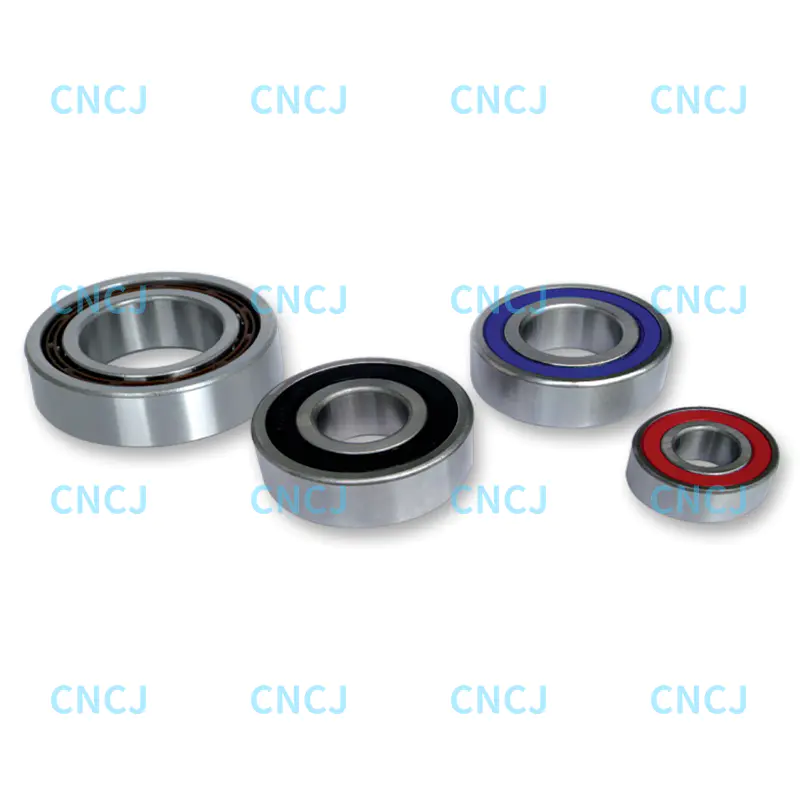
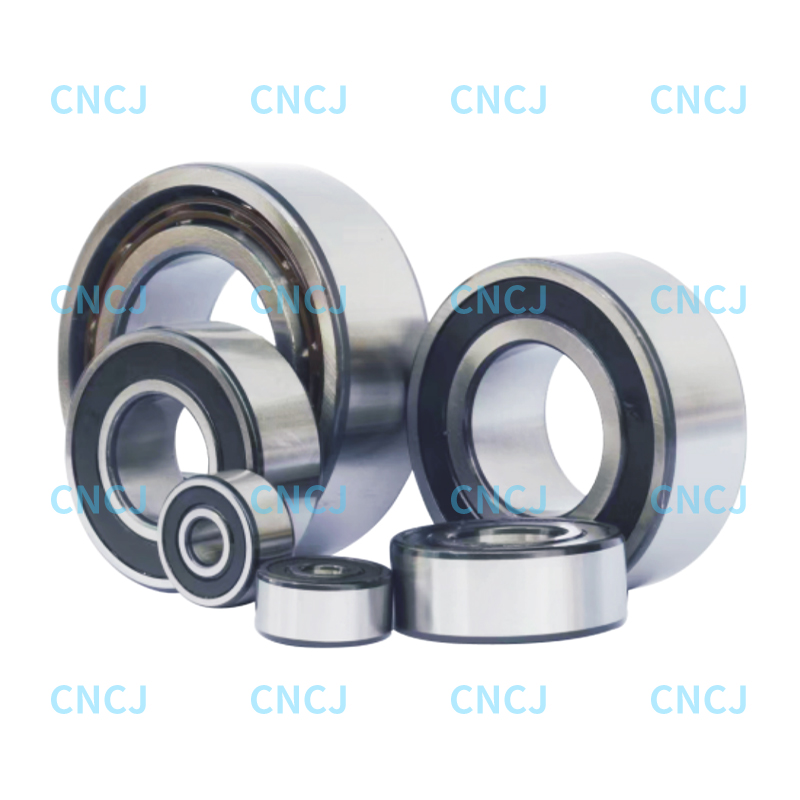
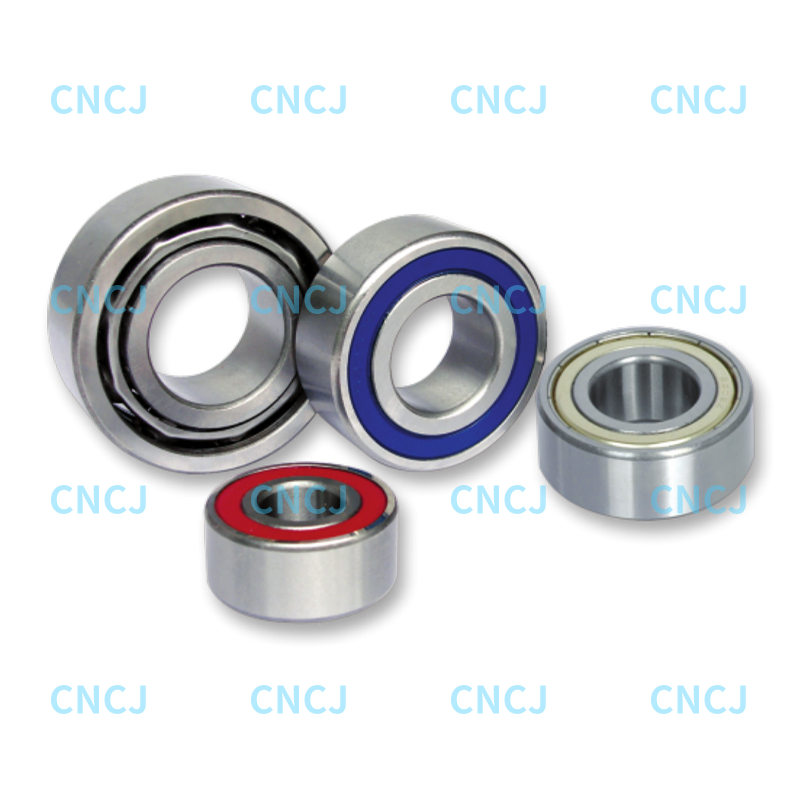
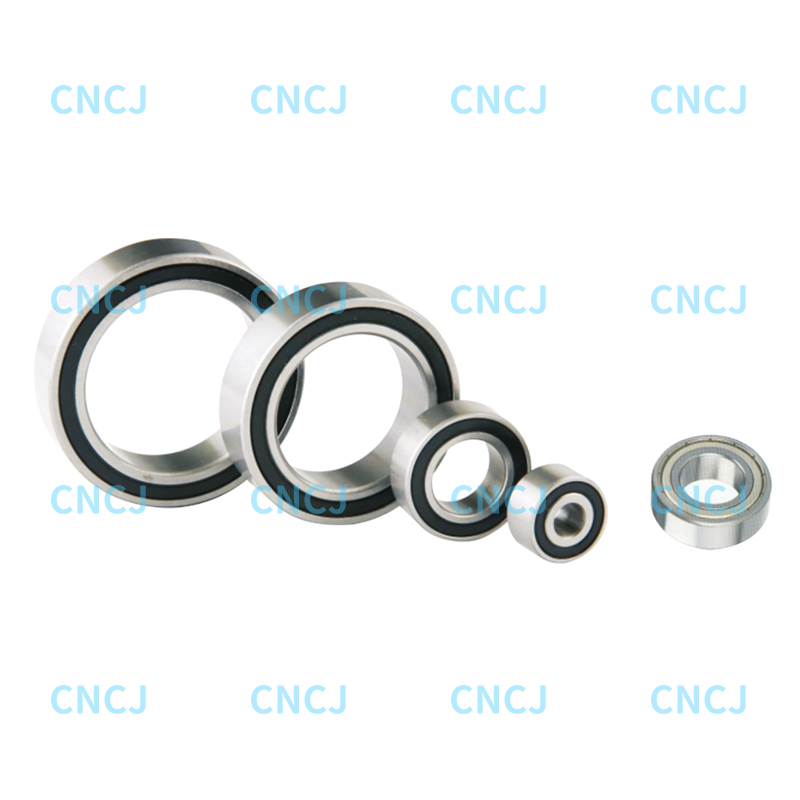
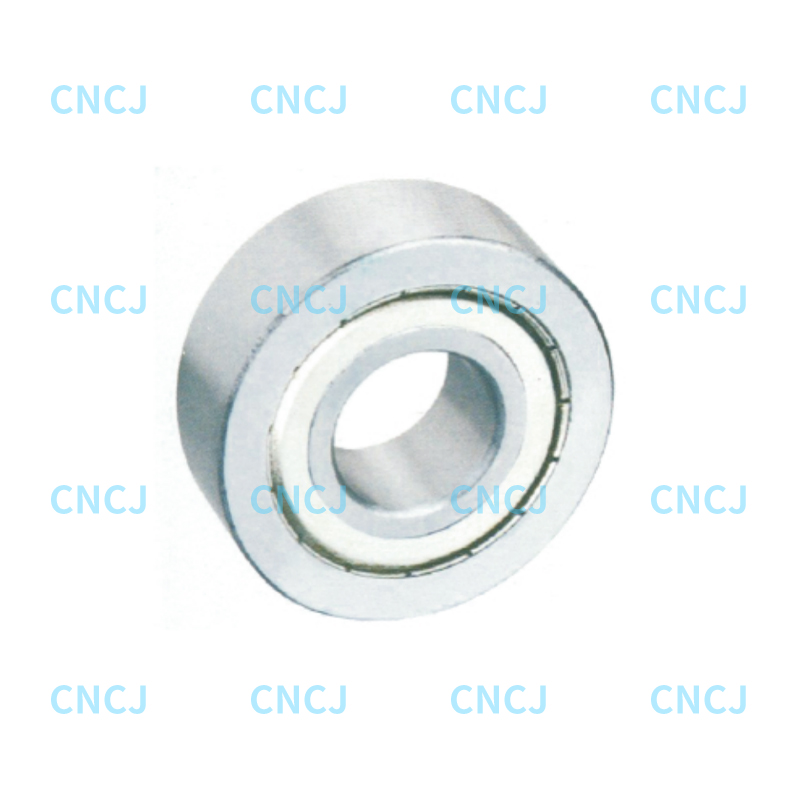
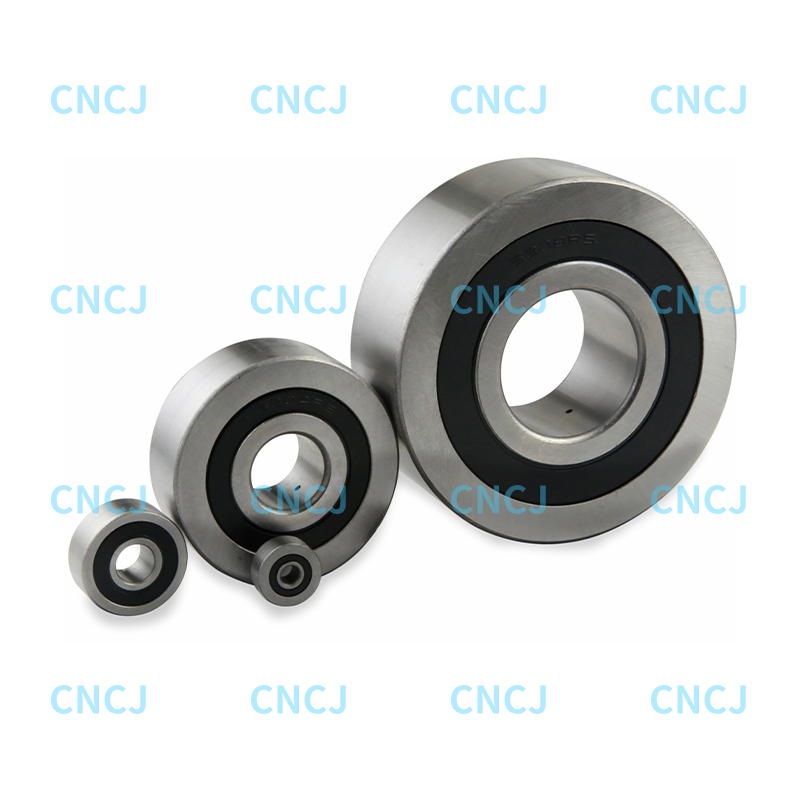
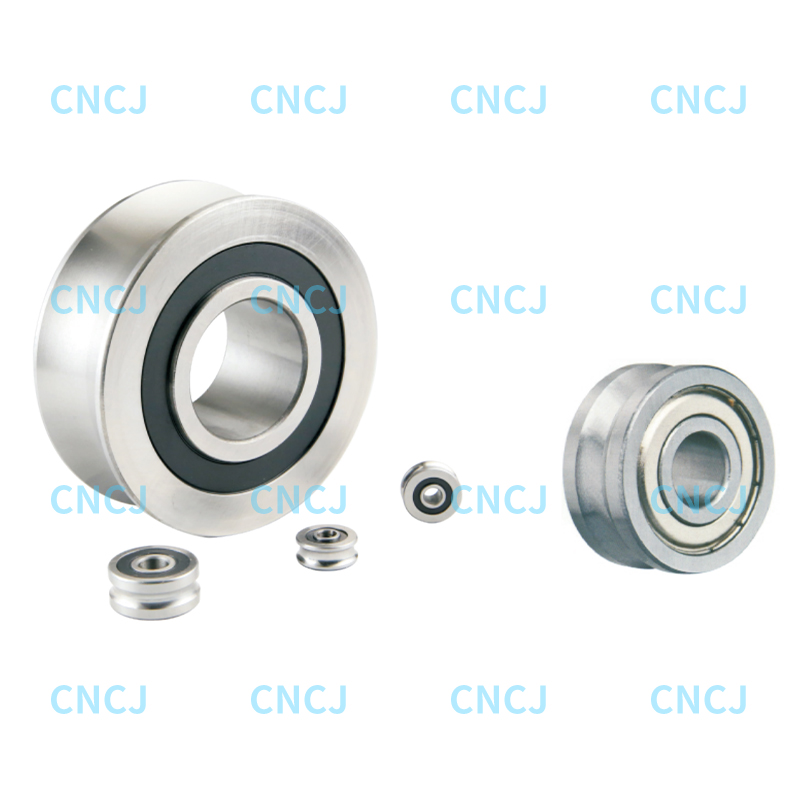
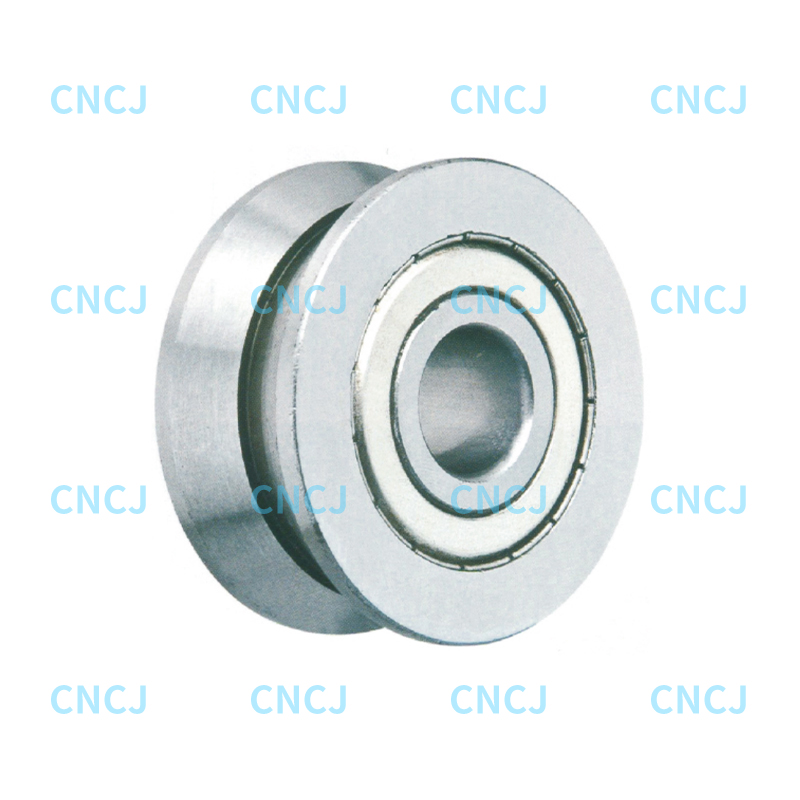
بلبرینگ دو ردیفه زمانی استفاده می شود که یک بلبرینگ تک ردیفی نتواند به اندازه کافی بارهای شعاعی و محوری ترکیبی را در یک برنامه خاص تحمل کند، یا زمانی که محدودیت های فضایی نصب شده مانع استفاده از دو یاتاقان تک ردیفی جداگانه می شود. مزیت تعیین کننده طراحی دو ردیفه این است که تقریباً 60 تا 70 درصد ظرفیت بار شعاعی بالاتری نسبت به یک یاتاقان تک ردیفی مشابه با همان قطر خارجی دارد. (منبع: کاتالوگ بلبرینگ SKF، اصول کلی؛ سازگار با هندسه دو ردیف استاندارد). این امر با توزیع بار در دو ردیف عناصر غلتشی در یک محفظه جمع و جور به دست میآید - که نیاز به آرایش یاتاقانهای زوجی را از بین میبرد و در عین حال عملکرد باربری معادل یا برتر را به دست میآورد.
فراتر از ظرفیت بار خام، بلبرینگ های دو ردیفه استحکام بیشتر شفت، بهبود مقاومت در برابر بارهای لحظه ای (کج شدن) و مونتاژ ساده تر را در مقایسه با راه حل های تک ردیفی جفتی ارائه می دهند. آنها یک انتخاب مهندسی عملی در طیف گستردهای از صنایع هستند - از دوکهای ماشین ابزار و تجهیزات کشاورزی گرفته تا سیستمهای نوار نقاله، قطعات خودرو و موتورهای الکتریکی - هر جا که فشردهسازی، دوام و قابلیت اطمینان تحت بارگذاری ترکیبی به طور همزمان مورد نیاز باشد.
این راهنما منطق فنی، دادههای عملکرد، منطق کاربرد و معیارهای انتخاب برای بلبرینگهای دو ردیفه را در عمق بررسی میکند و به مهندسان، متخصصان تدارکات و متخصصان تعمیر و نگهداری مرجع کاملی برای درک اینکه چرا و چه زمانی این نوع یاتاقان بهترین نتیجه را ارائه میدهد، میدهد.
بلبرینگ دو ردیفه چیست؟ ساختار و انواع کلید
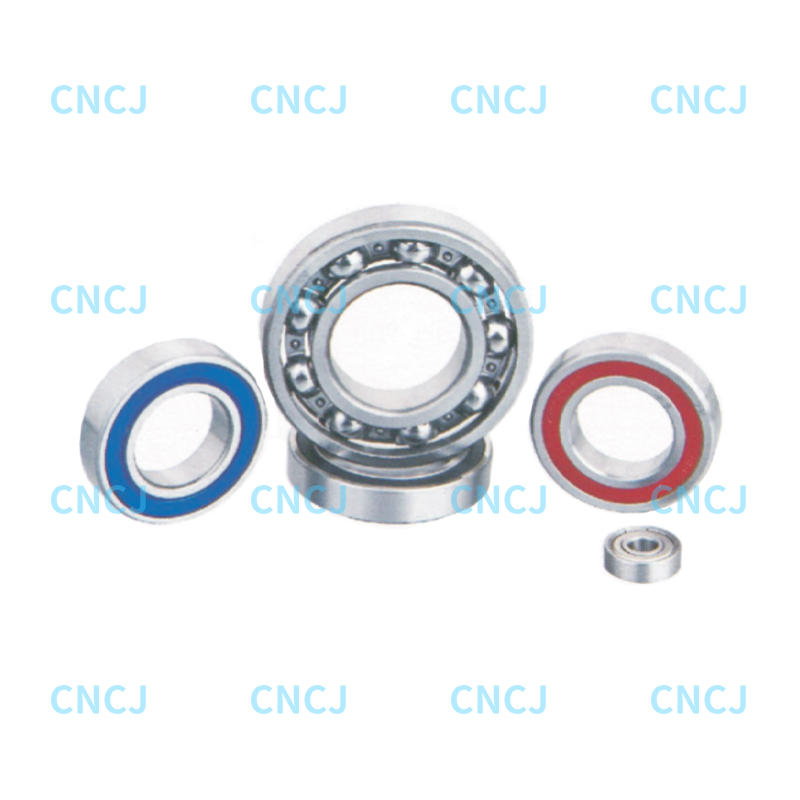
یک بلبرینگ دو ردیفه شامل یک حلقه بیرونی، یک حلقه داخلی و دو ردیف توپ فولادی است که در کنار هم در یک پوشش یاتاقان قرار گرفته و توسط یک قفس از هم جدا شده و هدایت می شوند. دو ردیف توپ یک راهروی بیرونی مشترک دارند اما ممکن است دارای راهروهای داخلی مجزا (مانند بلبرینگهای شیار عمیق دو ردیفه) یا یک راهروی داخلی مشترک مشترک (مانند بلبرینگهای تماس زاویهای دو ردیفه) باشند. این هندسه یاتاقانی را ایجاد می کند که فضای محوری یک یاتاقان تک ردیفی را اشغال می کند و در عین حال عملکرد عملکردی یک آرایش جفت را ارائه می دهد.
بلبرینگ دو ردیفه شیار عمیق
بلبرینگ شیار عمیق دو ردیفه (DRDGBB) متداول ترین نوع مشخص شده است. دارای دو ردیف توپ است که در شیارهای عمیق متقارن و در حلقه های داخلی و خارجی ماشین کاری شده اند. این طرح بارهای شعاعی را به عنوان عملکرد اصلی با ظرفیت بار محوری متوسط در هر دو جهت کنترل می کند. هندسه شیار عمیق به یاتاقان اجازه می دهد تا بارهای محوری تا حدود 50 درصد ظرفیت بار شعاعی ایستا را بدون نیاز به یک یاتاقان رانش جداگانه تحمل کند. (منبع: ISO 76:2006 — Rolling Bearings, Static Load Ratings). طراحی متقارن همچنین به این معنی است که بلبرینگ غیر جهت دار است و می تواند بدون توجه به جهت گیری نصب شود.
بلبرینگ تماس زاویه ای دو ردیفه
بلبرینگ های زاویه ای دو ردیفه (DRACBB) دارای دو ردیف توپ هستند که با زاویه تماس - معمولاً 25 درجه یا 32 درجه - نسبت به محور بلبرینگ مرتب شده اند. این هندسه زاویه ای به طور خاص برای کنترل بارهای شعاعی و محوری ترکیبی به طور همزمان طراحی شده است، با ظرفیت بار محوری که توسط زاویه تماس تعیین می شود: زاویه تماس بالاتر ظرفیت بار محوری بیشتری را در کاهش ظرفیت شعاعی ایجاد می کند. DRACBB ها انتخاب ارجح برای دوک های ماشین ابزار، مجموعه های توپی چرخ، و هر برنامه ای هستند که در آن بارهای محوری دو طرفه در کنار بارهای شعاعی قابل توجه وجود دارد.
بلبرینگ های دو ردیفه خود تراز
یاتاقان ساچمه ای خود تراز دو ردیفه دارای یک راهروی بیرونی کروی است که به حلقه داخلی و مجموعه توپ اجازه می دهد تا نسبت به حلقه بیرونی شیب داشته باشد و بدون ایجاد تنش خمشی به یاتاقان، انحراف محور تا 2 تا 3 درجه را در خود جای دهد. این نوع به طور گسترده در شفت های کشاورزی، غلتک های نوار نقاله و هر محور انتقالی که تحت بار در معرض انحراف است یا در جایی که تراز بدنه به محفظه در طول نصب تضمین نمی شود، استفاده می شود.
جدول مقایسه: انواع بلبرینگ دو ردیفه
تایپ کنید
زاویه تماس
بار شعاعی
بار محوری (هر دو جهت)
تحمل ناهماهنگی
برنامه های کاربردی معمولی
شیار عمیق دو ردیفه
0 درجه (شعاعی)
بالا
متوسط
کم (0 تا 0.1 درجه)
الکتروموتور، پمپ، گیربکس
تماس زاویه ای دو ردیفه
25 یا 32 درجه
بالا
بالا
کم
دوک های ماشین ابزار، توپی چرخ
دو ردیف خود تراز
متغیر (کروی)
متوسط
کم
بالا (2 to 3 degrees)
شفت کشاورزی، نوار نقاله، پنکه
شش دلیل فنی مهندسین برای انتخاب بلبرینگ دو ردیفه
1. ظرفیت بار شعاعی به طور قابل توجهی بالاتر در همان پوشش فضایی
مستقیم ترین دلیل مهندسی برای مشخص کردن بلبرینگ دو ردیفه ظرفیت بار شعاعی است. از آنجایی که بار به جای یک ردیف در دو ردیف از عناصر نورد توزیع میشود، رتبه بار دینامیکی (C) یک یاتاقان دو ردیفه با سوراخ مشخص و قطر بیرونی به طور قابلتوجهی بیشتر از معادل یک ردیفی است. به عنوان مثال، یک بلبرینگ شیار عمیق دو ردیفه در سری 6200 می تواند به بار دینامیکی تقریباً 1.6 برابر بیشتر از یاتاقان تک ردیفی 6200 در همان قطر خارجی دست یابد. (منبع: ISO 281:2007 — یاتاقان های غلتشی، رتبه بندی بار دینامیکی و عمر رتبه بندی؛ مقایسه هندسه کلی). این بدان معناست که مهندسان میتوانند بارهای سنگینتر را بدون افزایش قطر شفت یا سوراخهای محفظه تحمل کنند - یک مزیت قابل توجه در طراحی ماشینهای فشرده که در آن فضا محدود است.
2. جابجایی همزمان بارهای شعاعی و محوری
بسیاری از کاربردهای ماشین در دنیای واقعی بارگذاری ترکیبی را ایجاد می کنند - نیروهای شعاعی ناشی از کشش تسمه، مش دنده یا وزن، همراه با نیروهای محوری ناشی از رانش چرخ دنده مارپیچ، فشار فن، یا عدم تعادل. یک بلبرینگ شیار عمیق می تواند بارهای ترکیبی متوسطی را تحمل کند، اما طراحی دو ردیفه - به ویژه نوع تماس زاویه ای - به طور خاص برای این سناریوی بارگذاری بهینه شده است. بلبرینگهای تماس زاویهای دو ردیفه میتوانند بارهای محوری را در هر دو جهت به طور همزمان تحمل کنند، بر خلاف جفتهای منطبق بر یاتاقانهای تماس زاویهای تک ردیفی که برای دستیابی به پشتیبانی محوری دو طرفه باید جهت مخالف داشته باشند. این کار هم طراحی و هم مونتاژ را ساده می کند و در عین حال عملکردی معادل یا برتر ارائه می دهد.
3. صلبیت شفت برتر و مقاومت در برابر بارهای لحظه ای
بارهای لحظه ای - نیروهایی که سعی می کنند شفت را نسبت به محفظه کج یا خم کنند - یک چالش مکرر در بارهای آویزان، آرایش های کنسول و کاربردهایی است که در آن نقطه بار از محل یاتاقان منحرف می شود. یک بلبرینگ تک ردیفی مقاومت محدودی در برابر بارهای لحظه ای دارد زیرا به طور موثر یک خط تماس را پشتیبانی می کند. یک بلبرینگ دو ردیفه، با دو ردیف آن که با عرض یاتاقان از هم جدا شده اند، هندسه پشتیبانی توزیع شده ای را فراهم می کند که در برابر کج شدن مقاومت می کند. بازوی لحظه ای موثر بین دو ردیف توپ - معمولاً 20 تا 40٪ قطر بیرونی یاتاقان - مقاومت قابل اندازه گیری در برابر سرشاخه شفت ایجاد می کند که یک یاتاقان تک ردیفی با همان قطر خارجی نمی تواند مطابقت داشته باشد. به همین دلیل است که یاتاقانهای دو ردیفه در دوکهای ماشین ابزار استاندارد هستند، جایی که انحراف محور تحت نیروهای برش باید به حداقل برسد تا دقت ماشینکاری حفظ شود.
4. نصب فشرده: یک بلبرینگ جایگزین دو می شود
در کاربردهایی که در غیر این صورت دو یاتاقان تک ردیفی در کنار هم در یک آرایش جفتی برای دستیابی به ظرفیت بار یا استحکام مورد نیاز نصب میشوند، یک یاتاقان دو ردیفه میتواند هر دو را جایگزین کند. این کاهش می دهد:
کل طول محوری مجموعه بلبرینگ (معمولاً 15 تا 30 درصد در مقایسه با آرایش جفتی با یک اسپیسر)
تعداد قطعات - یک یاتاقان به جای دو، بدون نیاز به اسپیسر یا سخت افزار تنظیم پیش بار
زمان مونتاژ و احتمال خطای نصب
پیچیدگی موجودی - یک شماره قطعه به جای دو بلبرینگ همسان
برای کاربردهای تولید با حجم بالا، این سادهسازیها مستقیماً به هزینه تولید پایینتر و توان مونتاژ سریعتر تبدیل میشوند.
5. عمر طولانی تر در چرخه های وظیفه
عمر خستگی بلبرینگ توسط معادله عمر رتبه بندی L10 کنترل می شود، که نشان می دهد که طول عمر با مکعب بار اعمال شده (برای بلبرینگ ها) نسبت معکوس دارد. با توزیع بار اعمال شده در دو ردیف به جای یک ردیف، نیرو در نقطه تماس عنصر نورد کاهش می یابد - و از آنجایی که طول عمر خستگی متناسب با مکعب نسبت بار به ازای هر تماس است، حتی کاهش متوسط بار در هر تماس باعث بهبود قابل توجهی در طول عمر محاسبه شده می شود. کاهش بار هر ردیف تا 20٪ از طریق استفاده از پیکربندی ردیف دوتایی می تواند عمر L10 محاسبه شده را تقریباً 73٪ افزایش دهد. (برگرفته از ISO 281:2007 L10 = (C/P)^3 x 10^6 دور، به طور مقایسه ای اعمال شده است). در عمل، این به معنی فواصل نگهداری طولانی تر، کاهش زمان از کار افتادن و هزینه عملیاتی کمتر در برنامه های کاربردی است.
6. کارایی هزینه در مقایسه با راه حل های جفتی تک ردیفی
در حالی که یک بلبرینگ دو ردیفه معمولاً بیشتر از یک یاتاقان تک ردیفه قیمت دارد، تقریباً همیشه در مجموع هزینه نصب شده نسبت به آرایش تک ردیفی جفتی که جایگزین میشود، ارزانتر است. مقایسه هزینه نه تنها باید شامل قیمت بلبرینگ باشد، بلکه باید شامل موارد زیر نیز باشد: هزینه ماشینکاری برای حفره بلندتر مسکن مورد نیاز دو یاتاقان جداگانه. هزینه هر فنر پیش بارگذاری، اسپیسر، یا سخت افزار تنظیم؛ کار مونتاژ؛ و هزینه نگهداری موجودی برای دو شماره قطعه. در اکثر تحلیلهای هزینه مهندسی مکانیک، راهحل بلبرینگ دو ردیفه، هزینه کل سیستم را 18 تا 35 درصد در مقایسه با راهحلهای جفت تک ردیفی معادل کاهش میدهد. (منبع: محک زدن هزینه مهندسی عمومی؛ کتابچه راهنمای ماشین آلات، ویرایش 31، اقتصاد انتخاب بلبرینگ).
دو ردیف در مقابل بلبرینگ تک ردیف: مقایسه عملکرد
جدول زیر مقایسه ای کنار هم از بلبرینگ های دو ردیفه شیار عمیق در مقابل همتایان تک ردیفی آنها در ابعاد عملکرد کلیدی را ارائه می دهد. داده ها نماینده یاتاقان های استاندارد ISO در سری های 6200 و 5200 (به ترتیب تک ردیف و دو ردیف) برای قطر سوراخ های معادل است.
ابعاد عملکرد
تک ردیف DGBB
دو ردیف DGBB
مزیت
رتبه بار پویا (C)
خط پایه (1.0x)
1.55x تا 1.70x پایه
دو ردیف: 55 تا 70 درصد
رتبه بار استاتیک (C0)
خط پایه (1.0x)
1.60x تا 1.80x پایه
دو ردیف: 60 تا 80 درصد
ظرفیت بار محوری
متوسط (one direction)
متوسط to good (both directions)
دو ردیف: دو طرفه
مقاومت بار لحظه ای
کم
متوسط to High
دو ردیف: به طور قابل توجهی بهتر است
تحمل ناهماهنگی (DGBB)
0.08 تا 0.16 درجه
0.04 تا 0.08 درجه
ردیف تک: کمی متحمل تر
فضای محوری مورد نیاز است
باریک (1.0x)
عریض تر (تقریباً 1.4x تا 1.6x)
تک ردیف: از نظر محوری فشرده تر است
پیچیدگی مونتاژ
ساده
ساده (single unit)
معادل
قابلیت سرعت
بالاer
متوسطly lower (heat generation)
Single Row: با سرعت بسیار بالا بهتر است
هزینه (فقط واحد)
کمer
بالاer (single unit)
تک ردیف: هزینه واحد کمتر
هزینه (در مقایسه با تک ردیفی جفت شده)
2 برابر هزینه تک (جفتی)
1 برابر هزینه ردیف دوبل
دو ردیف: معمولاً 15 تا 30 درصد کمتر از جفت
منبع: ISO 281:2007, ISO 76:2006; داده های مقایسه ای بر اساس هندسه بلبرینگ سری استاندارد. مقادیر دقیق بسته به سازنده و سری یاتاقان های خاص متفاوت است.
دادههای بالا روشن میسازد که پیکربندی دو ردیفه به طور مداوم از یاتاقانهای تک ردیفی در ابعاد مربوط به بار بهتر عمل میکند، در حالی که در مقایسه با راهحلهای جفتی، در سادگی مونتاژ و کل هزینه نصبشده رقابتی باقی میماند. معاوضه ها - قابلیت سرعت اندکی کاهش یافته و نیاز به تراز دقیق تر - محدودیت های مهندسی هستند که می توانند از طریق مشخصات صحیح و تمرین نصب مدیریت شوند.
بلبرینگ های دو ردیفه در کجا استفاده می شود؟ حوزه های کاربردی کلیدی
مشخصات عملکرد از بلبرینگ دو ردیفه - ظرفیت بار بالا، پوشش فشرده، پشتیبانی دو طرفه محوری و مقاومت بار لحظه ای - آنها را در طیف متنوعی از صنایع و انواع ماشین آلات مناسب می کند. بخش های زیر مهم ترین حوزه های کاربردی را شرح می دهد.
دوک های ماشین ابزار
دوک های ماشین ابزار در ماشین های فرز، ماشین های تراش، ماشین های سنگ زنی و مراکز ماشینکاری یکی از سخت ترین کاربردهای بلبرینگ هستند. دوک باید به طور همزمان از نیروهای برشی (شعاعی و محوری، اغلب به سرعت در حال تغییر جهت) پشتیبانی کند، با سرعت بالا بچرخد و دقت ابعادی را حفظ کند - هر گونه انحراف تحت بار به طور مستقیم کیفیت قطعه را کاهش می دهد. بلبرینگهای تماس زاویهای دو ردیفه انتخاب استاندارد برای دوکهای ماشین ابزار هستند، با زوایای تماس 25 تا 32 درجه بر اساس نسبت نیروی برش محوری به شعاعی مورد انتظار برای عملیات ماشینکاری خاص انتخاب میشوند. در دوک های سنگ زنی با دقت بالا، یاتاقان ها معمولاً برای از بین بردن فاصله داخلی و افزایش سفتی از قبل بارگذاری می شوند. یک یاتاقان دوکی سنگ زنی دقیق استاندارد ممکن است در سرعت های 15000 تا 30000 دور در دقیقه کار کند و در عین حال خروجی شعاعی را زیر 1 میکرومتر حفظ کند (منبع: ABMA Standard 20, Machine Tool Spindle Bearing Bearing Selection).
هاب چرخ خودرو
واحدهای بلبرینگ توپی چرخ خودرو یکی از پرحجم ترین کاربردها برای بلبرینگ های تماس زاویه ای دو ردیفه در سطح جهان است. توپی چرخ باید هم بار عمودی وسیله نقلیه (شعاعی نسبت به یاتاقان) و هم بارهای جانبی ایجاد شده در هنگام پیچیدن (محوری به یاتاقان) را در هر دو جهت درونی و بیرونی تحمل کند. یک یاتاقان توپی چرخ جلوی خودروی معمولی تحت بار ترکیبی کار می کند که بین بارهای شعاعی خالص (رانندگی مستقیم)، ترکیبی شعاعی- محوری (نبشی)، و بارهای ضربه ای (ضربه های جاده) - چرخه کاری که به طور خاص با قابلیت محوری دو طرفه طراحی تماس زاویه ای دو ردیفه مطابقت دارد، کار می کند. واحدهای بلبرینگ توپی چرخ مدرن، یاتاقانهای دو ردیفه را با فلنجها و مهر و مومها در یک مجموعه کارتریج ادغام میکنند و نصب را سادهتر میکنند و الزامات تنظیم میدان را حذف میکنند.
موتورهای الکتریکی
در موتورهای الکتریکی بزرگتر (معمولاً اندازه قاب بالای 180)، که در آن قرقرهها، چرخدندهها یا کوپلینگهای نصب شده روی محور، بارهای شعاعی و محوری قابلتوجهی را بر یاتاقان انتهایی محرک تحمیل میکنند، بلبرینگهای شیار عمیق دو ردیفه معمولاً به جای انواع تک ردیفی مشخص میشوند. طراحی دو ردیفه بارهای کششی تسمه را به طور مؤثرتری کنترل می کند و پایداری شفت بیشتری را فراهم می کند و لرزش را کاهش می دهد که در غیر این صورت عایق سیم پیچ را کاهش می دهد و عمر موتور را کوتاه می کند. IEC 60034-14 (ارتعاش مکانیکی) حداکثر محدودیت سرعت ارتعاش را برای ماشینهای الکتریکی دوار مشخص میکند و استحکام شفت بهبود یافته توسط بلبرینگهای دو ردیفه ابزاری عملی برای ماندن در این محدودیتها در شرایط نصب سخت است. (منبع: IEC 60034-14:2007).
تجهیزات کشاورزی و ساختمانی
ماشینآلات کشاورزی و ساختمانی یکی از سختترین محیطهای عملیاتی را برای یاتاقانها ارائه میدهند: بارهای ضربهای ناشی از عملیات مزرعه، آلودگی توسط گرد و غبار، خاک و آب، تغییرات دما زیاد، فواصل روانکاری نادر و کارکرد در سرعتها و بارهای متغیر پیوسته. بلبرینگ های دو ردیفه خود تراز راه حل ارجح برای این محیط ها هستند زیرا راهروی بیرونی کروی آنها انحراف شفت و ناهماهنگی محفظه را که به طور اجتناب ناپذیری در تولیدات جوش داده شده و شفت های کشاورزی طولانی که تحت بارهای سنگین محصول کار می کنند رخ می دهد، سازگار می کند. کاربردهای رایج عبارتند از:
درایوهای هدر دروگر و طبل های خرمنکوبی را با هم ترکیب کنید
محورهای PTO تراکتور و درایوهای نهایی
هاب دیسک کاشت و کاشت
نوارهای نوار نقاله و غلتک برگشتی تجهیزات ساختمانی
مجموعه شفت ارتعاشی متراکم کننده
نقاله و سیستم های جابجایی مواد
سیستم های نوار نقاله در معدن، لجستیک و تولید از بلبرینگ های دو ردیفه به طور گسترده در شفت های غلتکی، درام های سر و مجموعه های برداشت استفاده می کنند. نوع خود تراز دو ردیفه به ویژه در سیستم های نوار نقاله طولانی که در آن انبساط حرارتی و انحراف ساختاری می تواند باعث ناهماهنگی شفت در طول دوره سرویس شود، ارزشمند است. در نوار نقاله های حمل مواد فله، خرابی بلبرینگ حدود 60 درصد از زمان توقف برنامه ریزی نشده نوار نقاله را تشکیل می دهد. (منبع: انجمن سازندگان تجهیزات نقاله، نوار نقاله های CEMA برای مواد فله، ویرایش هفتم). مشخص کردن بلبرینگ های دو ردیفه خود تراز به جای انواع تک ردیفی در مکان های بحرانی برای کاهش 30 تا 45 درصد از کار افتادگی مربوط به بلبرینگ در کاربردهای با تناژ بالا مستند شده است.
پمپ ها و کمپرسورها
پمپ های گریز از مرکز و کمپرسورهای رفت و برگشتی بارهای شعاعی ترکیبی (از نیروهای پروانه و پیستون) و بارهای محوری (از اختلاف فشار سیال در سراسر پروانه یا پیستون) تولید می کنند. در قاب های پمپ متوسط و بزرگ، بلبرینگ های دو ردیفه شیار عمیق یا دو ردیفه تماس زاویه ای استاندارد برای پشتیبانی شفت هستند که به دلیل توانایی آنها در کنترل این الگوی بارگذاری ترکیبی در هندسه محفظه فشرده معمولی در طرح های پمپ و کمپرسور انتخاب شده اند. سازگاری مهر و موم و حفظ روان کننده نیز در این کاربردها حیاتی است و یاتاقان های دو ردیفه در پیکربندی های مهر و موم شده یا شیلددار با افزایش فواصل روانکاری مجدد به میزان قابل توجهی نیازهای تعمیر و نگهداری را کاهش می دهند.
راهنمای انتخاب برنامه
کاربرد
نوع دو ردیف توصیه شده
دلیل انتخاب کلید
دوک ماشین ابزار
تماس زاویه ای دو ردیفه
بالا combined load, stiffness, precision
توپی چرخ خودرو
تماس زاویه ای دو ردیفه
واحد شعاعی محوری دو جهته فشرده
انتهای درایو موتور الکتریکی بزرگ
شیار عمیق دو ردیفه
بار شعاعی تسمه / کوپلینگ، کنترل ارتعاش
شفت کشاورزی
دو ردیف خود تراز
ناهماهنگی شفت، بارهای شوک
غلتک و درام نوار نقاله
دو ردیف خود تراز
تحمل ناهماهنگی، بار شعاعی بالا
پمپ گریز از مرکز
شیار عمیق دو ردیفه or Angular Contact
بار ترکیبی، محفظه فشرده
شفت خروجی گیربکس
شیار عمیق دو ردیفه
بار رانش مارپیچ شعاعی مش دنده
پنکه صنعتی
دو ردیف خود تراز
بارهای نامتعادل، انحراف طولانی شفت
مقایسه رتبه بار: دو ردیف در مقابل یک ردیف (داده های بصری)
نمودار زیر رتبه بار دینامیکی (مقدار C بر حسب kN) را برای بلبرینگهای شیار عمیق تک ردیفی و دو ردیفه در پنج اندازه متداول نشان میدهد. هر جفت میله یک یاتاقان تک ردیفی را با همتای دو ردیفه خود در پاکت با قطر خارجی معادل مقایسه می کند. الگوی ثابت واضح است: در تمام اندازههای سوراخ، یاتاقان دو ردیفه ظرفیت بار بیشتری را در همان پوشش بیرونی یا فقط در حاشیه بزرگتر ارائه میدهد. برای مهندسانی که یاتاقانها را تحت شرایط بارگذاری ترکیبی انتخاب میکنند، این دادهها انتخاب دو ردیف را قانعکننده میسازد - همان قطر سوراخ بار بیشتری را پشتیبانی میکند و مستقیماً خطر شکست زودرس خستگی را کاهش میدهد. دادهها تقویت میکنند که در برنامههایی که بار عامل محدودکننده است، پیکربندی ردیف دوتایی تصمیم مهندسی با ارزش بالاتر است، حتی برای هزینه واحد نسبتاً بالاتر. در جایی که هر دو گزینه از نظر فنی قابل دوام هستند، یاتاقان دو ردیفه باید انتخاب پیشفرض برای هر برنامهای با عمر مفید طولانی یا دسترسی محدود به تعمیر و نگهداری باشد.
چگونه بلبرینگ دو ردیفه مناسب را برای برنامه خود انتخاب کنید
انتخاب صحیح بلبرینگ مستلزم کار از طریق مجموعه ای ساختاریافته از پارامترهای کاربردی است. انتخاب بلبرینگ دو ردیفه بدون تطبیق دقیق آن با بار، سرعت، روغن کاری و شرایط محیطی می تواند منجر به خرابی زودرس حتی با نوع بلبرینگ برتر از نظر فنی شود. روش انتخاب زیر از استاندارد ISO 281 و روش مهندسی استاندارد پیروی می کند.
مرحله 1: بارهای اعمال شده را تعریف کنید
اندازه و جهت تمام بارهای وارد بر یاتاقان را تعیین کنید. برای اکثر برنامه ها این شامل موارد زیر است:
بار شعاعی (Fr): نیروهای عمود بر محور شفت - کشش تسمه، نیروی توری چرخ دنده، وزن اجزای دوار
بار محوری (Fa): نیروهای موازی با محور شفت - رانش چرخ دنده مارپیچ، دیفرانسیل فشار فن، نیروی انبساط حرارتی
ضریب بار ضربه یا ضربه: بسته به شدت ضربه مورد انتظار در برنامه، بارهای ساکن را در ضریب ضربه 1.5 تا 3.0 ضرب کنید.
بار دینامیکی معادل (P): محاسبه با استفاده از P = X x Fr Y x Fa، که در آن X و Y فاکتورهای بار شعاعی و محوری از جداول داده سازنده بلبرینگ هستند.
مرحله 2: محاسبه رتبه بار دینامیکی مورد نیاز
با استفاده از معادله عمر ISO 281، رتبه بار دینامیکی مورد نیاز (C) را برای عمر سرویس مورد نظر محاسبه کنید:
C = P x (L10h x 60 x n / 10^6)^(1/3)
در جایی که L10h طول عمر مورد نیاز بر حسب ساعت است، n سرعت عملیاتی بر حسب دور در دقیقه، و P بار دینامیکی معادل بر حسب kN است. نتیجه حداقل رتبه بار دینامیکی را می دهد که یاتاقان انتخاب شده باید از آن برخوردار باشد یا از آن فراتر رود. یک یاتاقان دو ردیفه را انتخاب کنید که مقدار C کاتالوگ آن برابر یا بزرگتر از C مورد نیاز محاسبه شده باشد، سپس بررسی کنید که سوراخ، قطر بیرونی و عرض یاتاقان انتخاب شده با فضای موجود مطابقت دارد.
مرحله 3: بررسی قابلیت سرعت
هر یاتاقان دارای یک سرعت محدود کننده است - حداکثر دور در دقیقه که در آن می تواند به طور مداوم بدون تولید گرمای بیش از حد کار کند. برای بلبرینگ های دو ردیفه، سرعت محدود کننده معمولاً 15 تا 25 درصد کمتر از یک یاتاقان تک ردیفی مشابه با قطر سوراخ مشابه است، به دلیل گرمای اضافی تولید شده توسط ردیف دوم عناصر نورد. همیشه بررسی کنید که سرعت عملکرد برنامه از 80٪ سرعت محدود کننده بلبرینگ در شرایط عملیاتی معمولی و 70٪ در دمای بالا یا شرایط روغنکاری ضعیف بیشتر نباشد. (منبع: عمل مهندسی عمومی بلبرینگ؛ کتابچه راهنمای ماشین آلات، ویرایش سی و یکم).
مرحله 4: Clearance and Preload را انتخاب کنید
فاصله داخلی - میزان بازی آزاد بین عناصر نورد و مسیرهای مسابقه - به طور قابل توجهی بر عملکرد بلبرینگ تأثیر می گذارد. بلبرینگ های دو ردیفه در فاصله استاندارد موجود هستند (C3 برای کمی شل، CN برای استاندارد، C2 برای کمی سفت). برای کاربردهایی که به سفتی شفت بالا نیاز دارند (دوک های ماشین ابزار، درایوهای دقیق)، ممکن است یک پیش بار سبک (ترخیص منفی) مناسب باشد. برای کاربردهایی با افزایش دما قابل توجه (موتورهای الکتریکی، گیربکس)، یک کلاس C3 فضای خالی اضافی برای جبران انبساط حرارتی در حین کار فراهم می کند.
مرحله 5: پیکربندی آب بندی و روغن کاری را انتخاب کنید
بلبرینگ های دو ردیفه در پیکربندی های باز (بدون محافظ)، محافظ (ZZ) و مهر و موم شده (2RS) موجود هستند:
بلبرینگ باز: نیاز به روغن کاری خارجی (گریس یا روغن) مناسب برای کاربردهای با سرعت بالا یا دمای بالا که می توان فواصل روانکاری مجدد را حفظ کرد
محافظ (ZZ): سپرهای فلزی ورود آلودگی را کاهش می دهند و گریس را حفظ می کنند. مناسب برای محیط های تمیز تا متوسط؛ امکان کاهش سرعت در مقایسه با نوع مهر و موم شده را فراهم می کند
مهر و موم شده (2RS): مهر و موم تماس لاستیکی باعث حذف آلودگی و حفظ چربی عالی می شود. برای کاربردهای کشاورزی، ساختمانی و فضای باز ترجیح داده می شود. مادام العمر در بسیاری از موارد روغن کاری شده است
ماتریس تصمیم گیری بلبرینگ
کاربرد Condition
پیکربندی توصیه شده
دلیل
بالا combined load, precision required
تماس زاویه ای دو ردیفه, preloaded
سختی و پشتیبانی محوری دو طرفه
بالا radial load, moderate axial, clean environment
دو ردیف DGBB, open or ZZ
حداکثر سرعت با ظرفیت بار خوب
ناهماهنگی شفت مورد انتظار است
دو ردیف خود تراز
راهروی کروی خطای زاویه ای را جذب می کند
محیط آلوده یا در فضای باز
دو ردیف DGBB or Self-Aligning, 2RS sealed
مهر و موم تماس از آلودگی جلوگیری می کند
بالا temperature (above 120 degrees C)
دو ردیف DGBB, open, C3 clearance, HT grease
پاکسازی انبساط حرارتی را جبران می کند
سرعت بسیار بالا (بیش از 10000 دور در دقیقه)
تک ردیف DGBB paired (reconsider double row)
سرعت محدودکننده دو ردیف ممکن است کافی نباشد
بهترین روش های نصب برای بلبرینگ های دو ردیفه
یک بلبرینگ دو ردیفه که به درستی انتخاب شده است، در صورت نصب نادرست، همچنان می تواند پیش از موعد از کار بیفتد. تحقیقات متخصصان تجزیه و تحلیل خرابی بلبرینگ نشان میدهد که تقریباً 16 درصد از خرابیهای زودرس بلبرینگ به دلیل نصب نادرست است. (منبع: مجله تریبولوژی ASME، مطالعات علت اصلی شکست، مرجع عمومی صنعت). اقدامات زیر خطر خرابی ناشی از نصب را به میزان قابل توجهی کاهش می دهد.
قبل از نصب بلبرینگ ها را به درستی دستگیر کنید
بلبرینگ ها را تا لحظه نصب در بسته بندی اصلی نگهداری کنید تا از آلودگی و خوردگی جلوگیری شود
هرگز بلبرینگ ها را با آب لوله کشی نشویید - در صورت نیاز از الکل های معدنی تمیز یا حلال تمیز کننده بلبرینگ استفاده کنید
هرگز یاتاقان را با هوای فشرده خشک نکنید - المان های غلتشی می توانند بدون روغن کاری به سرعت های آسیب رسان برسند.
شفت و سوراخ محفظه را از نظر ابعاد، گرد بودن و پرداخت سطح صحیح قبل از نصب بررسی کنید
در حین نصب به حلقه صحیح نیرو وارد کنید
این مهم ترین قانون نصب مکانیکی برای همه بلبرینگ ها است. هنگام فشار دادن یک یاتاقان بر روی شفت، نیرو باید فقط به حلقه داخلی وارد شود. هنگام فشار دادن به داخل سوراخ محفظه، نیرو باید فقط به حلقه بیرونی اعمال شود. هرگز از طریق عناصر نورد نیرو وارد نکنید. اعمال نیروی نصب از طریق توپ ها باعث ایجاد فرورفتگی (علامت های برینل) در مسیرهای مسابقه می شود که بلافاصله صدا ایجاد می کند و خرابی خستگی را تسریع می کند. از یک پرس با غلاف نصب با اندازه مناسب استفاده کنید یا از روش نصب حرارتی استفاده کنید (برینگ را تا دمای 80 تا 100 درجه سانتیگراد گرم کنید تا سوراخ را قبل از لغزش روی شفت باز کنید).
روش نصب حرارتی
برای نصب تداخل مناسب در اندازه های شفت بزرگتر، نصب حرارتی بر پرس مکانیکی ترجیح داده می شود زیرا بارهای ضربه ای را بر روی عناصر نورد حذف می کند. یاتاقان را در حمام روغن یا بخاری القایی تا 80 تا 100 درجه سانتیگراد گرم کنید (هرگز از 125 درجه سانتیگراد تجاوز نکنید، زیرا دمای بالاتر از این می تواند عملیات حرارتی فولاد را تغییر دهد). بلبرینگ را در حالی که هنوز باز شده است، به سرعت روی شفت بلغزانید و آن را روی شانه شفت نگه دارید تا خنک شود و بچسبد. هرگز از شعله باز برای گرم کردن یاتاقان ها استفاده نکنید - این باعث ایجاد نقاط داغ محلی می شود که به طور دائم به ریزساختار راه آهن آسیب می زند.
روغن کاری در هنگام نصب
بلبرینگ های دو ردیفه باز و شیلد شده باید قبل یا بلافاصله پس از نصب گریس کاری شوند. داخل یاتاقان را تقریباً 30 تا 50 درصد فضای آزاد را با گریس متناسب با دمای کار، سرعت و محیط پر کنید. پر کردن بیش از حد با گریس یک اشتباه رایج است که باعث به هم خوردن، تجمع گرما و آسیب زودرس آب بندی در یاتاقان های آب بندی شده می شود. برای هر اندازه و سرعت یاتاقان خاص، به توصیههای پر کردن گریس سازنده بلبرینگ مراجعه کنید.
تعمیر و نگهداری، فواصل روانکاری، و تشخیص حالت خرابی
تعمیر و نگهداری مداوم مناسب مقرون به صرفه ترین راه برای استخراج عمر کامل طراحی از هر نصب بلبرینگ دو ردیفه است. بخش زیر فواصل روانکاری مجدد، نظارت بر ارتعاش و رایج ترین حالت های خرابی را که باید قبل از ایجاد آسیب ثانویه شناسایی شوند، پوشش می دهد.
فواصل روانکاری مجدد
برای بلبرینگ های دو ردیفه باز یا شیلددار که با سرعت و دمای متوسط کار می کنند، یک فرمول عملی بازه روغن کاری مجدد (منبع: راهنمای مرجع روغنکاری گریس NLGI؛ روش عمومی صنعت بلبرینگ):
فاصله زمانی (ساعت) = 14000 / (sqrt(n) x sqrt(d)) - 4d x sqrt(n)
جایی که n = سرعت بر حسب دور در دقیقه و d = قطر سوراخ بر حسب میلی متر. این فرمول یک خط پایه را ارائه می دهد که باید 50٪ برای عملیات در دمای بالا (بالای 70 درجه سانتیگراد)، 50٪ برای محیط های آلوده، و 25٪ برای شفت های عمودی که در آن گریس راحت تر از داخل یاتاقان تخلیه می شود، کاهش یابد. همیشه از یک نوع گریس در روغنکاری مجدد استفاده کنید - مخلوط کردن پایههای گریس ناسازگار میتواند باعث تجزیه سریع هر دو گریس و تسریع خرابی بلبرینگ شود.
نظارت بر وضعیت
تجزیه و تحلیل ارتعاش منظم با استفاده از یک آنالایزر ارتعاش قابل حمل یا شتاب سنج دائمی قابل اعتمادترین روش برای تشخیص عیوب بلبرینگ قبل از ایجاد خرابی است. فرکانسهای نقص مشخصه - BPFO (فرکانس پاس توپ، مسابقه بیرونی)، BPFI (فرکانس پاس توپ، مسابقه داخلی)، BSF (فرکانس چرخش توپ) و FTF (فرکانس اصلی قطار) - را میتوان از هندسه یاتاقان و سرعت عملکرد محاسبه کرد و میتوان آن را در طیفهای ارتعاشی قبل از بحرانی شدن عیب شناسایی کرد. مطالعات نشان میدهد که نظارت بر وضعیت ارتعاشی یاتاقانها معمولاً 2 تا 6 هفته قبل از خرابی هشدار میدهد. ، امکان تعویض برنامه ریزی شده در طول پنجره های تعمیر و نگهداری برنامه ریزی شده به جای پاسخ خرابی اضطراری (منبع: ISO 13373-1:2002، نظارت بر وضعیت و تشخیص ماشین ها).
حالت های رایج شکست و علل ریشه ای
حالت شکست
ظاهر بصری
به احتمال زیاد علت اصلی
اقدام اصلاحی
ریزش خستگی راه آهن
سوراخ شدن و پوسته پوسته شدن روی سطح راه آهن
پایان عمر خستگی معمولی، یا اضافه بار
بررسی محاسبه بار؛ در صورت نیاز اندازه بلبرینگ را افزایش دهید
برینینگ کاذب
تورفتگی های یکنواخت در فاصله توپ
لرزش در حالت ثابت (آسیب حمل و نقل)
چرخش شفت به آرامی در طول ذخیره سازی؛ از قفل های حمل و نقل استفاده کنید
حفره خوردگی
سوراخ کردن قرمز یا سیاه روی زمین مسابقه و توپ
آلودگی رطوبتی؛ متراکم شدن
بهبود آب بندی؛ از گریس بازدارنده خوردگی استفاده کنید